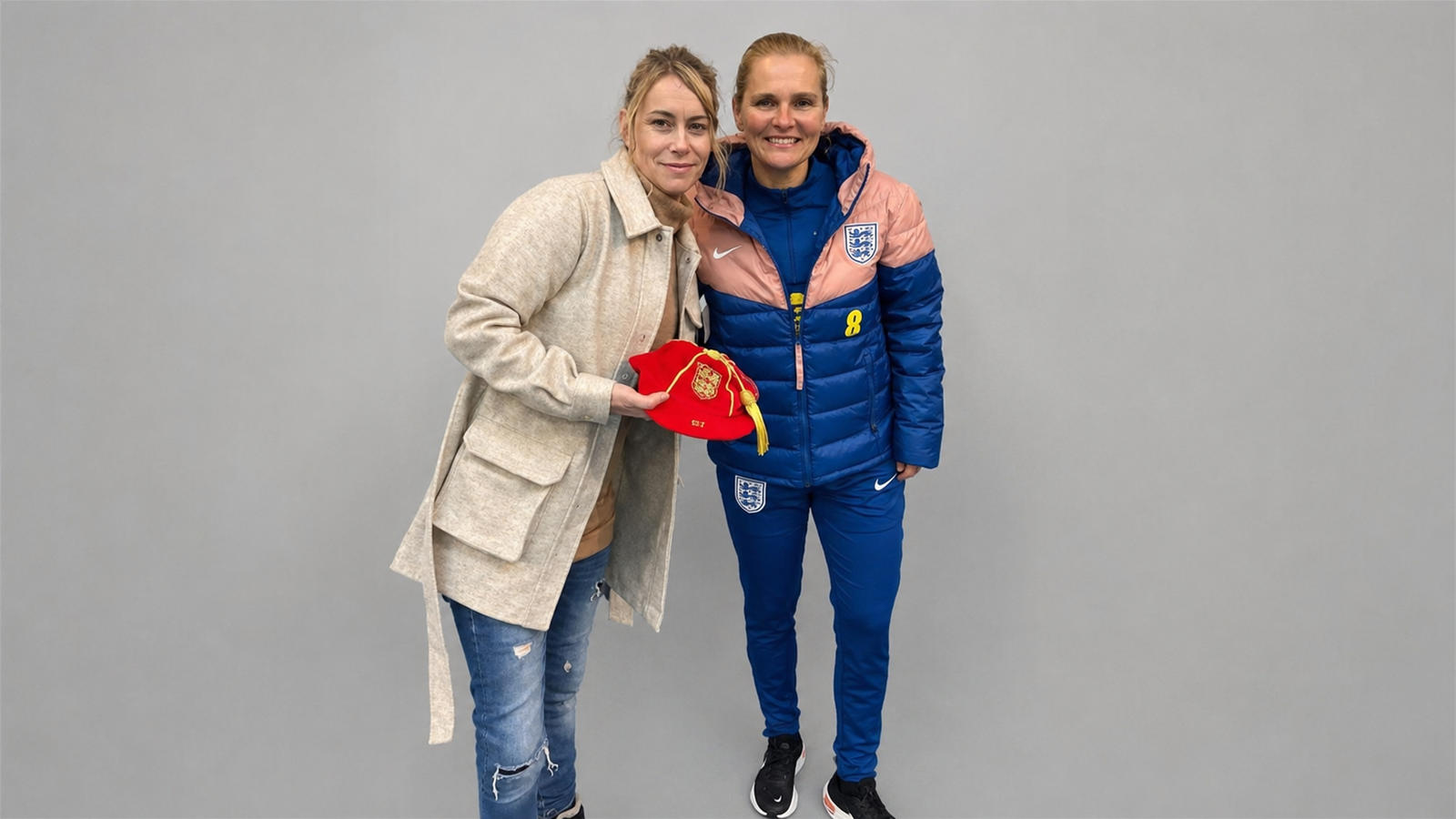
Aran Embleton is an English former footballer widely recognized for her contributions to women’s football during a key developmental era of the sport in England. Known for her versatility as both a midfielder and forward, she built a career across several competitive clubs and also represented the England women’s national team at senior level.
Her journey reflects the early growth phase of women’s football in England, when the game was still semi-professional and heavily reliant on passion, commitment, and personal resilience. Aran Embleton’s story is not just about individual achievement but also about the wider evolution of women’s football from grassroots structures to a more organized competitive system.
Early Life
Aran Helen Nevins Embleton was born on 7 October 1981 in Dudley, Northumberland, a region in North East England known for its strong football culture. Growing up in this environment played a significant role in shaping her interest in the sport from an early age.
Her early years were spent in local communities such as Cramlington, where football was a central part of youth activity. Like many young girls of her generation, she developed her passion for the game in a period when structured opportunities for girls’ football were limited compared to today.
Despite these challenges, her natural talent and determination allowed her to stand out early. She balanced education with football development at Seaton Burn High School, where she continued refining her technical skills and tactical understanding.
Grassroots Development and Early Football Pathway
Aran Embleton’s football journey began at grassroots level, where she played for local youth teams before moving into more competitive setups. One of her early clubs was Blyth Spartans Kestrels, a key stepping stone for many female players in the North East during that era.
At this stage, she developed her ability to play in multiple attacking roles, often switching between midfield and forward positions depending on team requirements. This adaptability became one of her defining characteristics throughout her career.
Grassroots women’s football in England during the 1990s was still developing, meaning players like Embleton often had to rely on mixed training environments, limited facilities, and volunteer-driven coaching structures. These early experiences helped build her resilience and strong work ethic.
Breakthrough at Doncaster Belles
A major turning point in Aran Embleton’s career came when she joined Doncaster Belles, one of the most successful and historic clubs in English women’s football. Playing for such a well-established team marked her entry into a higher level of competitive football.
During her time at Doncaster Belles, she played in important domestic competitions, including the FA Women’s Cup. One of her most notable contributions came in a semi-final match against Arsenal, where she assisted a decisive winning goal, showcasing her creative ability in high-pressure situations.
She also gained experience playing in the FA Women’s Cup final, which was one of the biggest stages in English women’s football at the time. These matches helped her establish herself as a dependable attacking midfielder capable of influencing major games.
Sunderland Women and Continued Development
After her spell with Doncaster Belles, Aran Embleton moved to Sunderland Women, continuing her career in the North East football circuit. This move allowed her to gain more consistent playing time and further develop her attacking contribution.
At Sunderland, she continued to play primarily as an attacking midfielder, contributing to both build-up play and goal-scoring opportunities. Her technical ability and vision made her a valuable player in midfield transitions and forward link-up play.
This phase of her career also highlights the fluid nature of women’s football during the early 2000s, when players frequently moved between clubs due to the semi-professional structure of the game and evolving league systems.
Whitley Bay and Peak Goal-Scoring Form
One of the most productive phases of Aran Embleton’s career came during her time at Whitley Bay Ladies. Here, she demonstrated her full attacking potential and achieved impressive goal-scoring numbers.
During the 2005–06 season, she reportedly scored around 46 goals, highlighting her ability to consistently perform in front of goal. This period is often seen as her peak in terms of offensive output and confidence on the pitch.
Her performances at Whitley Bay reflected not only her technical ability but also her maturity as a player. She had developed a strong sense of positioning, timing, and decision-making in attacking areas, making her a constant threat to opposition defenses.
Later Career and Continued Involvement in Football
Following her successful spell at Whitley Bay, Aran Embleton continued her football journey with clubs such as Cramlington Juniors before later joining North Shields Ladies in 2011. These moves reflected her continued passion for the game even as her career progressed beyond peak competitive years.
At North Shields, she brought valuable experience to the squad, helping to guide younger players and maintain competitive standards within the team. Her leadership qualities became more visible during this stage of her career.
This period also demonstrates how many women footballers of her generation remained active in the sport for years, often balancing football with work and other commitments due to the limited professional opportunities available at the time.
England Women’s National Team Career
Aran Embleton achieved one of the highest honors in football by representing the England women’s national team. Her involvement at international level began early, as she was identified as a promising talent and attended training camps with the senior squad while still a teenager.
She progressed through England’s youth system, including the U-18 team, before making her senior debut in 2001 in a friendly match against Spain. This appearance marked a significant milestone in her career and placed her among the elite players representing England at the time.
In total, she earned four senior caps for England, contributing to the national team during a competitive era of European women’s football. Her international experience further validated her ability to compete at the highest level.
Playing Style and Footballing Strengths
Aran Embleton was known for her versatility, which allowed her to operate effectively as both a midfielder and forward. This flexibility made her a valuable tactical option for coaches, especially in systems requiring dynamic attacking movement.
Her playing style combined technical skill with intelligent positioning. She had the ability to read the game well, find spaces between defensive lines, and create opportunities either through passing or direct attacking runs.
She was also recognized for her work rate and determination, traits that were essential in the physically demanding environment of women’s football during the early 2000s. Her commitment on the pitch made her a consistent and reliable performer.
Read more: https://dailysphere.co.uk/
Legacy and Impact on Women’s Football
Aran Embleton’s career represents an important chapter in the history of English women’s football. She played during a time when the sport was still fighting for recognition, resources, and professional structure, yet she managed to achieve success at both club and international levels.
Her contributions helped maintain competitive standards within domestic leagues and supported the gradual growth of women’s football in England. Players like Embleton laid the foundation for the modern Women’s Super League era by keeping the sport alive and competitive during its earlier stages.
Today, her legacy is recognized as part of England’s football history, and she remains an example of dedication and perseverance for younger generations of female footballers.
Conclusion
Aran Embleton’s football journey reflects talent, adaptability, and commitment across all levels of the women’s game. From grassroots football in Northumberland to representing England at international level, her career showcases the evolution of women’s football in England.
Her story is also a reminder of the challenges faced by early women footballers, who built their careers in less professional conditions but still achieved remarkable success. Aran Embleton remains an important figure in the sport’s development and a respected name in English football history.