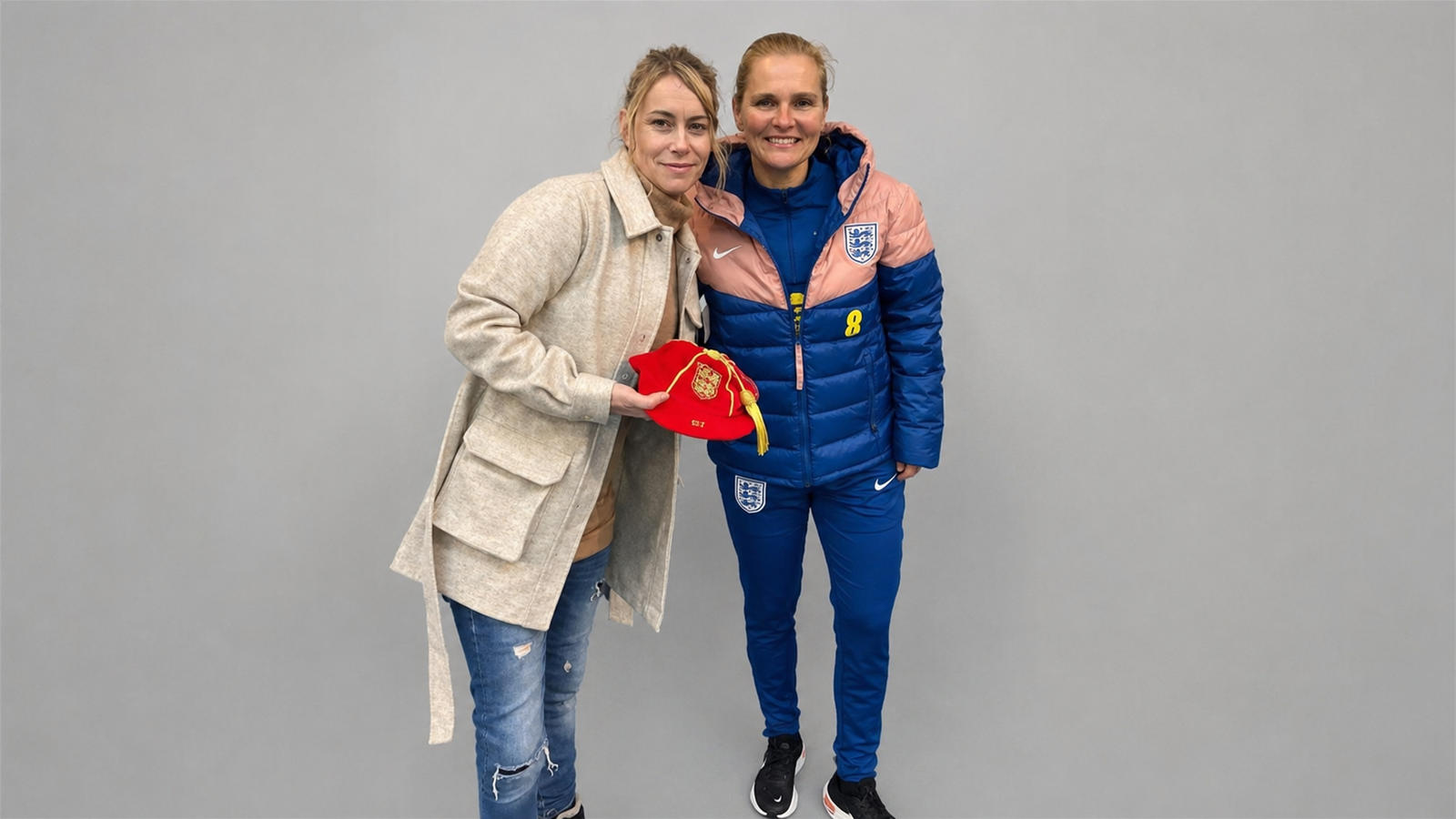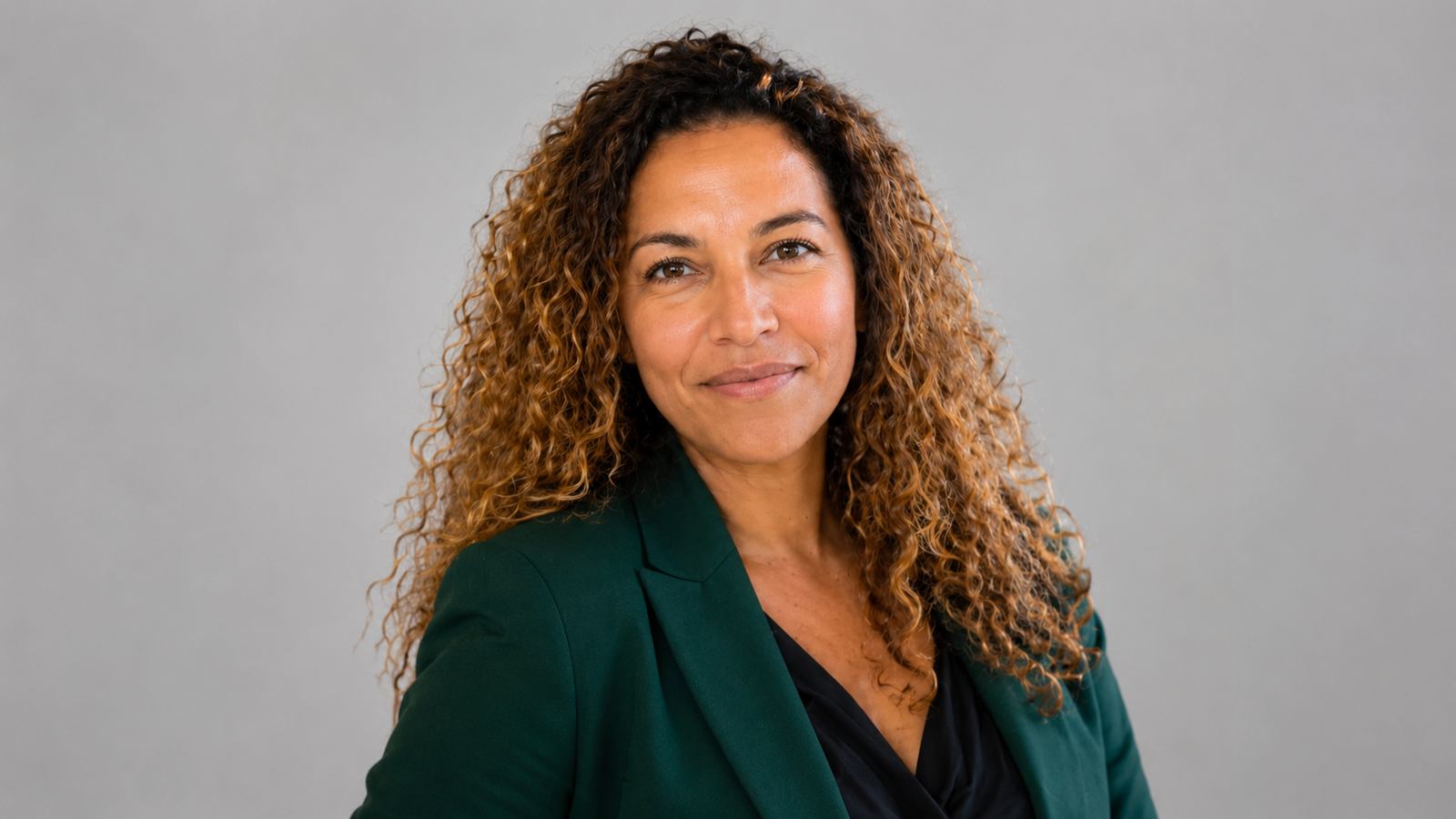
Isabelle de Caires is a name that appears in discussions related to Guyanese media, journalism development, and broader Caribbean public communication. While detailed biographical data about her remains limited in open public records, her identity is often framed within the context of journalism, civic awareness, and media engagement in Guyana. In many references, she is associated with the evolving landscape of independent reporting and modern media practices in the Caribbean region.
Her relevance is not only connected to her personal profile but also to the broader transformation of journalism in Guyana. Over the past decades, the country has experienced significant changes in how news is produced, distributed, and consumed. In this environment, Isabelle de Caires is frequently mentioned as part of conversations about media credibility, press independence, and the role of journalism in shaping democratic dialogue.
Family Background and Social Context in Guyana
Isabelle de Caires is commonly associated with the de Caires family, a surname linked to historical visibility in Guyanese public life. Families with longstanding civic involvement in Guyana often contribute to multiple sectors such as sports administration, law, education, and media discourse. The de Caires name is frequently discussed in connection with this tradition of public engagement and institutional participation.
In the Guyanese social structure, family legacy often plays a meaningful role in shaping public perception and opportunity. Individuals connected to established families are sometimes viewed through the lens of historical contribution and national identity. In this context, Isabelle de Caires is often positioned within a narrative that reflects continuity of civic engagement and public-facing influence.
This background also helps explain why her name appears in media-related discussions even when specific professional details are not widely publicized. In smaller nations like Guyana, family networks and public roles often overlap, contributing to visibility in cultural and journalistic spaces.
Early Life and Formative Influences
Although specific details about Isabelle de Caires’ early life are not extensively documented, her formative environment is often described in relation to Guyana’s broader cultural and political atmosphere. Growing up in a country shaped by post-colonial development, political change, and media evolution can significantly influence one’s understanding of communication and public discourse.
Guyana’s society places strong emphasis on education, civic awareness, and political engagement, all of which can shape individuals who later enter media-related fields. It is within this environment that Isabelle de Caires is often contextualized, particularly in discussions about journalism and public communication.
Early exposure to conversations about governance, national identity, and public accountability is frequently cited as an important influence for media professionals in the region. Even in the absence of detailed personal records, these societal factors help construct a reasonable understanding of her developmental context.
Education and Pathway Toward Journalism
The educational background of Isabelle de Caires is not widely detailed in public sources, but her association with journalism suggests exposure to communication-focused training or professional media experience. In Guyana and the wider Caribbean, many journalists enter the field through a combination of academic study and practical newsroom involvement rather than a single linear educational path.
Journalism in the region often attracts individuals with strong interests in writing, public affairs, and social analysis. It is common for professionals to begin in local media outlets where they gain hands-on experience in reporting, editing, and editorial decision-making. This practical environment plays a crucial role in shaping journalistic competence.
Within this framework, Isabelle de Caires is frequently associated with the development of media literacy and professional communication standards. Her name appears in contexts that highlight journalism as both a skill-based profession and a civic responsibility.
Career Development in the Guyanese Media Environment
The media landscape in Guyana has evolved significantly over the past two decades, moving from primarily print and radio-based systems to a more digitally driven ecosystem. Isabelle de Caires is often referenced in discussions connected to this transformation, particularly in relation to independent reporting and modern news dissemination.
Digital journalism has expanded access to information while also introducing new challenges such as misinformation, speed-driven reporting, and audience fragmentation. Media professionals operating in this environment must balance accuracy with immediacy, ensuring that journalistic standards remain intact.
Within this changing ecosystem, Isabelle de Caires is frequently associated with professional journalism values such as editorial responsibility, factual reporting, and audience trust. These qualities are increasingly important in a media landscape shaped by social media and online news platforms.
Journalism Ethics, Press Freedom, and Professional Standards
One of the most important themes connected to Isabelle de Caires is the broader issue of press freedom and journalism ethics in Guyana. Like many developing democracies, Guyana’s media environment is influenced by political dynamics, economic pressures, and evolving regulatory frameworks.
Journalists in such environments are often required to navigate complex relationships between government institutions, private sector interests, and public expectations. Maintaining independence and credibility becomes a central concern for media professionals. In this context, Isabelle de Caires is often referenced in discussions about responsible journalism and ethical reporting practices.
Press freedom in the Caribbean is generally regarded as active but sensitive to political and institutional influences. Media practitioners are expected to uphold standards of fairness, balance, and transparency, which are essential for maintaining public trust in journalism as a profession.
Role in Caribbean Media and Regional Communication Trends
Beyond Guyana, Isabelle de Caires is sometimes mentioned within the broader Caribbean media ecosystem, where journalists and commentators contribute to regional narratives. Caribbean journalism is characterized by interconnected reporting networks that cover shared issues such as governance, migration, economic development, and cultural identity.
Regional media professionals often collaborate informally through shared reporting standards and professional exchanges. This interconnectedness strengthens the visibility of Caribbean perspectives in global media discussions, ensuring that local voices are not overshadowed by international narratives.
Within this framework, Isabelle de Caires is viewed as part of a broader group of media contributors who help shape how Caribbean stories are told and understood. The region’s journalism continues to evolve in response to technological change and audience demand for real-time information.
Public Perception, Identity, and Media Visibility
Public perception of Isabelle de Caires varies depending on the context in which her name appears. In media-related discussions, she is often associated with professionalism, journalism, and civic awareness. In broader public discourse, however, her identity is sometimes interpreted through the lens of family background and social association.
In Guyana, as in many smaller societies, public figures often experience overlapping identities where personal, professional, and familial roles intersect. This can influence how individuals are perceived in both media and public spaces. Isabelle de Caires is no exception to this dynamic.
Despite varying levels of public visibility, she is generally discussed in relation to media credibility and journalistic presence. Her name continues to appear in contexts that emphasize communication, reporting integrity, and media development.
Read more: Isabelle de Caires
Challenges of Modern Journalism in Guyana
The journalism industry in Guyana faces several ongoing challenges, including limited resources, political scrutiny, and the rapid spread of digital misinformation. These challenges affect how journalists operate and how media institutions maintain credibility in a competitive information environment.
The rise of social media has transformed audience expectations, creating pressure for faster reporting and continuous updates. While this improves information access, it also increases the risk of inaccuracies and reduces the time available for verification. Journalists must therefore balance speed with responsibility.
In this evolving landscape, professionals associated with journalism, including Isabelle de Caires, are often discussed in relation to adaptability and resilience. The ability to maintain ethical standards while responding to digital transformation is a defining feature of modern media practice.
Conclusion
Isabelle de Caires is best understood within the broader framework of Guyanese and Caribbean journalism rather than as a narrowly defined public figure with extensive documented biography. Her name is associated with media development, press freedom discussions, and the ongoing evolution of journalism in a digitally transforming world.
Her relevance lies in how she represents the intersection of family legacy, media engagement, and regional communication culture. In Guyana’s evolving media environment, figures like her contribute to ongoing conversations about truth, transparency, and the role of journalism in society.